All Categories
Featured
Meeting California Conservation Requirements for Public Land
Strategic Tree Management to Ensure Property Resilience
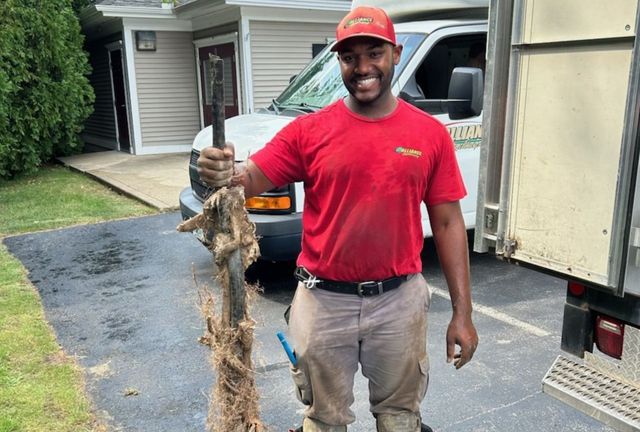
Maximizing Water Efficiency Through Irrigation Upgrades

Strategic Tree Management to Ensure Property Resilience
Table of Contents
Water preservation is a vital aspect of developing and keeping sustainable landscapes, especially in regions vulnerable to drought or where water resources are limited. Sustainable landscaping practices not only conserve water but likewise decrease maintenance, promote biodiversity, and produce durable communities. A landscaping technique developed to decrease water usage by selecting drought-tolerant plants, lowering lawn locations, and executing efficient watering practices.
Group plants with comparable water needs together (hydrozoning). Lessen or get rid of turfgrass, changing it with groundcovers, gravel, or mulch. Include hardscaping elements like patio areas, sidewalks, and stone features to decrease water requirements. Delivers water straight to the plant's root zone, lowering evaporation and runoff. Ideal for garden beds, shrubs, and trees.
Commercial Tree Risk EvaluationThese devices change watering schedules based on weather, soil moisture levels, and plant needs, optimizing water use. Water throughout the early morning or late evening when temperature levels are cooler to reduce evaporation. Collect rainwater from roofs and shop it for later use in gardens and landscapes. Simple to install and utilize, rain barrels decrease reliance on municipal water supplies.
They minimize disintegration and improve water quality. Mulch assists keep soil moisture, decrease evaporation, suppress weeds, and enhance soil health as it decays.
Urgent Tree Removal Response Across Southern California
Including natural matter, such as garden compost, leaf mold, or well-rotted manure, enhances soil health and its ability to keep moisture, decreasing the need for frequent watering. These alternatives need less water, fertilizer, and upkeep.
Native plants generally require less water, fertilizer, and pesticides than non-native species. Select plants known for their capability to thrive in low-water conditions, such as succulents, lavender, and ornamental grasses. Greywater is the fairly tidy wastewater from baths, sinks, washing machines, and other kitchen area home appliances. It can be reused for watering functions, lowering the requirement for fresh water.

Group plants with comparable water requirements together to optimize irrigation efficiency. Location high-water-use plants in locations where water naturally collects, such as low areas in the garden, and drought-tolerant plants in drier areas.
These materials permit water to infiltrate the ground, reducing runoff and charging groundwater. Plant trees and shrubs to create shade and windbreaks, which reduce water evaporation from soil and plants.
Frequently remove weeds that complete with plants for water and nutrients. Prune plants to remove dead or diseased wood and to maintain plant health. Proper pruning can minimize water demand by minimizing plant stress.
Securing Commercial Gardens With Smart Technology
Avoid over-fertilizing, as it can increase water requirements and trigger nutrition overflow. Utilize integrated pest management (IPM) strategies, such as motivating advantageous insects and utilizing organic pest control methods, to reduce the need for chemical pesticides that can hurt soil and water quality. Minimizes water consumption, reduces water expenses, and reduces the pressure on local water resources.
Commercial Tree Risk EvaluationSustainable landscapes are more resilient to drought, extreme weather condition, and climate modification, making sure long-lasting success. Develops beautiful, low-maintenance landscapes that are harmonious with the local environment. By embracing water preservation techniques and sustainable landscaping practices, you can develop a garden or landscape that is not just eco-friendly however likewise beautiful, efficient, and simpler to keep.
Adopting landscaping water preservation approaches like xeriscaping, drip watering, rainwater harvesting, and utilizing native plants helps address water deficiency and improves sustainability. Detect and repair all leaks in irrigation systems. Usage properly treated wastewater for watering where offered. Water the yard or garden throughout the coolest part of the day (early morning is best).
Water trees and shrubs with deep root systems less regularly, however with bigger amounts of water. Shallow-rooted plants, on the other hand, require smaller sized amounts of water more frequently. Set sprinklers to water the lawn or garden only not the street or pathway. Usage soaker hoses and drip watering systems.

Latest Posts

Meeting California Conservation Requirements for Public Land
Strategic Tree Management to Ensure Property Resilience
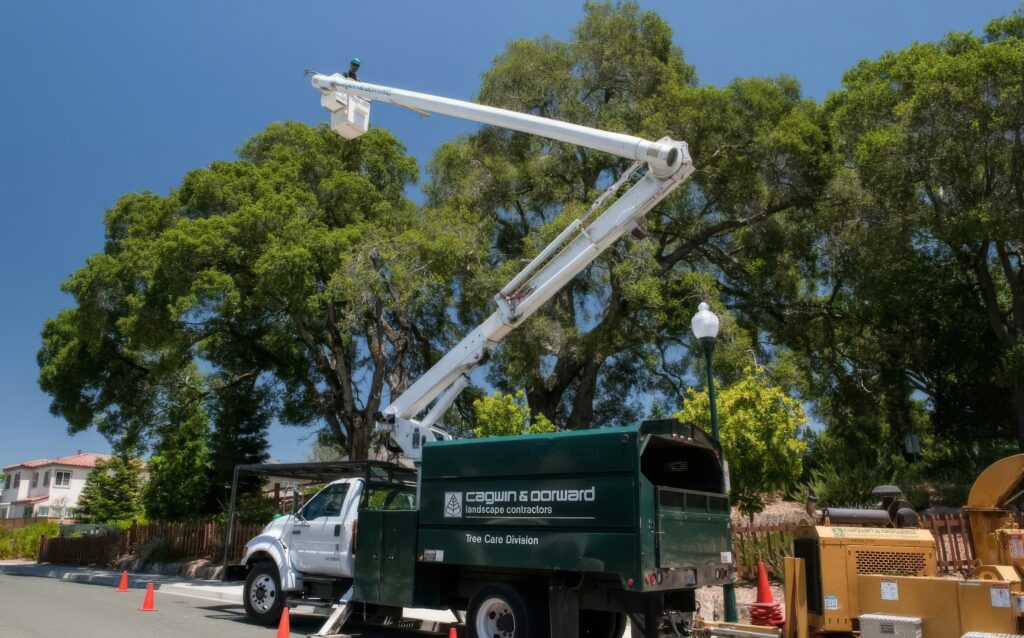
Evaluating New or Old Irrigation Technology